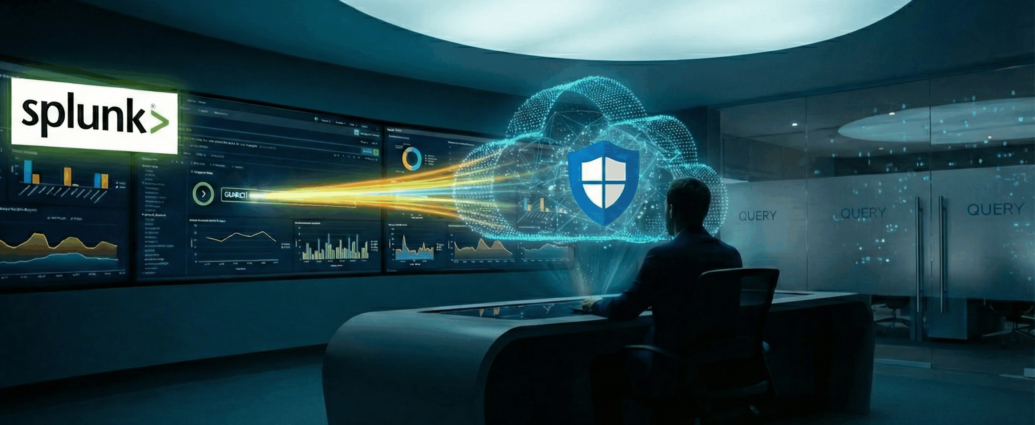
Businesses are increasingly grappling with cyber threats, data breaches, and attacks, making cybersecurity a top priority. Businesses should have access to dependable tools that can track their systems and detect odd actions or shield sensitive data. Splunk is widely used software used to manage security data and find potential threats.
Splunk is an application that gathers and analyzes machine-generated information from a variety of sources such as security devices, networks, applications, and servers. It offers comprehensive monitoring and analytics capabilities, enabling security teams to gain insights into their IT environments and take proactive action against potential threats.
What Is Splunk in Cybersecurity?
Splunk is a data analytics and monitoring solution used to gather, search, analyze and visualize machine-generated data. It is widely adopted in the field of cybersecurity to help in tracking security events, conducting investigations, and understanding potential cyber threats.
Security teams can use Splunk to analyze data captured from other security systems, servers, antivirus software, and firewalls. This data can be analyzed in a single location to detect any unusual patterns and take action accordingly.
In addition to security solutions, Splunk offers Security Information and Event Management (SIEM) capabilities.
What Are the Key Features of Splunk for Cybersecurity?
Splunk has several capabilities that assist businesses in fortifying their security operations. The following features are important:

1. Real-Time Security Monitoring
Splunk is used by security teams to track activities and security events on the system. It gathers data from various IT landscapes and presents key data via dashboards.
Real-time monitoring enables companies to detect abnormal activity and investigate suspicious attacks at an early stage, before they can cause significant harm.
2. Threat Detection and Analysis
Splunk is one of the helpful things that it has to offer is that it is able to analyze a lot of security data. It is useful for detecting suspicious activity, logon attempts, and other potential signs of a cyber attack.
These insights can help security professionals to gain a grasp of threats and enhance their security strategies.
3. Log Management and Analysis
There are many applications, servers, networks, and devices that produce huge amounts of log data for businesses. Splunk is capable of gathering and structuring this data for easy search and analysis by security teams.
Log analysis can be used to detect security issues such as abnormal usage, unauthorized access, and system failures.
4. Security Alerts and Notifications
Organisations can set up alerts on specific conditions and security events in Splunk. If suspicious activities are detected that correspond to certain rules, alerts can be triggered for security teams.
These alerts assist professionals in timely response and investigations of possible security incidents.
5. Data Visualisation and Reporting
Splunk offers dashboards, charts, and reports to help simplify complex security information.
Security teams can get key information, identify suspicious behavior, and monitor security trends. These visual reports also enable businesses to improve their cybersecurity decisions.
How Does Splunk Help Businesses Improve Security?

Splunk enables enterprises to enhance their cybersecurity by consolidating information across various systems into a single platform. Security professionals can view relevant security events from a centralized location without having to inspect the individual tools.
It also aids incident investigation by enabling teams to search historical data and get a better understanding of how a security event happened.
Organizations can use Splunk to:
- Identify unusual network activities.
- Track users’ logon activity.
- Investigate potential data breaches.
- Analyze security incidents.
- Enhance the capability to identify threats.
- Assist with security compliance and reporting.
But the true strength of Splunk lies in the ability to set up appropriate monitoring rules, alerts, and security processes.
What Are the Benefits of Using Splunk?
Businesses looking to enhance their cybersecurity efforts can benefit from Splunk in a number of ways.
- Enhanced Visibility: It offers all security-related data from various sources in one place.
- Faster Investigation: Security teams can search and analyze data to understand suspicious events.
- Better Monitoring: Ongoing monitoring enables organisations to be aware of potential security issues.
- Flexible Analytics: Companies can examine a lot of machine data as per their needs.
- Security Reporting: Dashboards and reports are used to gain understanding of security performance and trends.
Is Splunk a Good Tool for Cybersecurity?
Absolutely, Splunk can be helpful for organizations requiring high-level security monitoring, log analysis, and threat detection solutions. It is useful for security professionals to deal with a massive quantity of information and to examine potential cyber threats.
It is not a replacement for antivirus software, firewalls, or other security solutions, however. Companies need to use Splunk in conjunction with the proper security systems and practices to create a more robust defence.
Conclusion
One of Splunk’s primary functions in today’s cybersecurity landscape is to enable enterprises to gather, track, and analyse security data. It has a wealth of features that are beneficial for security teams, including real-time monitoring, threat detection, log management, alerts, and reporting.
Organizations can leverage Splunk to gain greater visibility, investigate suspicious activity, and take action to protect themselves against potential cyber threats. By implementing the right configuration and security measures, businesses can optimize their use of the platform and reap the benefits of their investments.
Frequently Asked Questions (FAQs)
1. What is Splunk used for primarily?
The primary use of Splunk is to gather, monitor, search, and analyze machine-generated data. It’s also used by businesses to monitor their IT and cybersecurity needs.
2. Can Splunk be used for cybersecurity?
Yes, Splunk does provide cybersecurity solutions to assist businesses in tracking security events, identifying threats, and analyzing incidents.
3. Is Splunk a SIEM tool?
Yes, Splunk can offer security integration and enterprise management (SIEM) as part of its security platform, which enables businesses to ingest and process security data from various sources.
4. Does Splunk know how to identify cyberattacks?
By analyzing security data and identifying unusual patterns, Splunk can help identify suspicious activities and potential cyber threats.
5. Who uses Splunk?
Splunk is used by IT administrators, cybersecurity specialists, and security analysts, as well as large organizations, to monitor systems and manage security information.
6. Would Splunk be right for a small business?
While it can be utilized by businesses of varying sizes, businesses should consider the features, pricing, technical requirements, and the resources available to them before choosing to use Splunk.