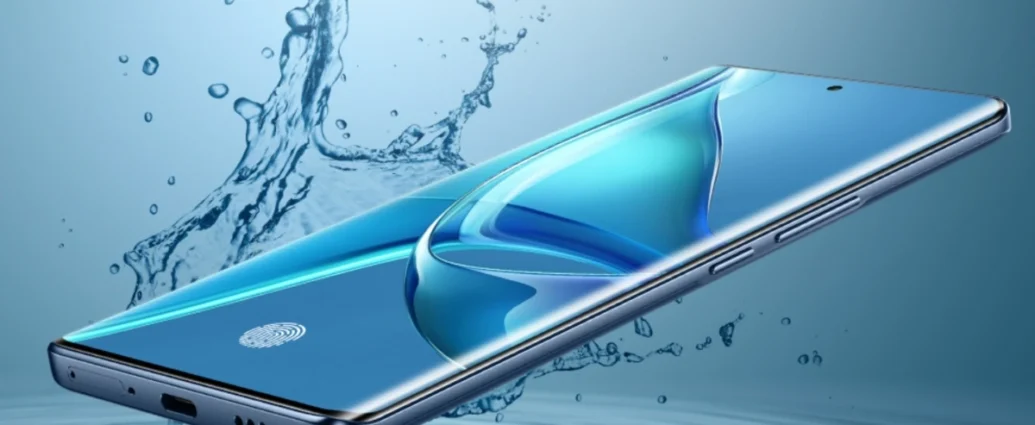
The technology of the smartphones has significantly changed throughout the years, particularly in the design of the displays. What’s most noticeable is the Curved Display Phone, which has a display that curves slightly around the edges of the phone. The design adds a modern and premium look to smartphones and also provides them with an immersive viewing experience.
But what does a curved display phone mean, how does it work, and is it better than a conventional flat-screen phone? Here, in this guide, we will talk about its design, features, benefits, and a few things you need to consider before picking one.
What is a Curved Display Phone?
A Curved Display Phone is a mobile phone with a curved display screen. The screen goes just slightly over the left and right edges, so there is a seamless edge from screen to frame on the phone.
Usually, curved displays are made with flexible OLED or AMOLED displays. The display technologies enable manufacturers to flex the screen while maintaining its brightness, blackness, and sharpness.
It may differ depending on the smartphone. Some cell phones will have a slight curve; others will have more noticeable edges.
How does a Curved Display work?
The curved display technology differs somewhat from LCD. It uses a different technology from the LCD screen. Flexible OLED or AMOLED screens are used in many curved smartphones, as these screens can be made to curve.
During the manufacturing process, the display screen is delicately formed around the edges of the mobile phone. The display is then protected by a layer of glass to ensure durability and a smooth surface for touch feedback.
The screen’s curve around the sides allows manufacturers to make a phone with thinner-looking sides and a more edge-to-edge design.
What Are the Most Important Features of a Curved Display Phone?
A curved display isn’t all about looks. This design might provide a number of beneficial features, depending on the smartphone model.
1. Premium and Modern Design
The most significant benefit of a Curved Display Phone is its look. The curved edges may also give the smartphone a more stylish and luxurious appearance compared to traditional flat-screen smartphones.
The seamless switch between the display and the frame further enhances the sleek and modern appearance of the phone.
2. More Immersive Viewing Experience
Curved edges can create a more immersive experience, especially for viewing videos, photos, and playing games, making the screen appear bigger and more immersive.
The curved design does not need to be significantly bigger, but it may give the impression that the screen reaches further towards the edges.
3. High-Quality Display Technology
The majority of current curved display smartphones have OLED or AMOLED technology. These panels can deliver superb contrast, rich colors, deep blacks, as well as good viewing results.
High refresh rates are another feature of some high-end models, providing a smoother scrolling experience, smoother animations, and better performance while playing games.
4. Edge-Based Features
Some mobile phones have curved edges, which are used for extra software functions. Depending on the manufacturer, users can find shortcuts, notifications, tools, or other controls on the side of the screen.
But most of the curved display phone does not support these features.
5. Flexibility in both time and space
Curved edges may help to give it a slimmer look. The narrow bezels, combined with the design, can make the smartphone look more compact and elegant.
This is why curved screens are typically found on high-end mobile phones.
What Are the Benefits of a Curved Display Phone?
People opt for smartphones with curves for a number of reasons.
One of the main benefits of the design is that it offers a unique look. For anyone who wants to have a smartphone that offers an alternative look to flat-screen smartphones, a curved display might give you that luxury.
Second, curved screens can give an immersive experience for the consumption of multimedia content. The screen can be stretched out to the sides to make videos, images, and games more engaging.
One of the advantages is curved displays with high-end OLED or AMOLED technology. Users will get top-class image quality as well as a neat design.
Curved displays can also reduce the bezels and produce a modern edge-to-edge screen experience.
Are Curved Displays Better Than Flat Displays?
The debate over curved displays is a matter of opinion and the way you use your smartphone.
A flat display tends to be the simpler type, and it can be easier to use with screen protectors. This can also help to minimize unintended contact around the sides.
A curved display, on the other hand, looks more gourmet and may even offer an even more immersive experience. But sometimes the curves at the edges reflect light or accidental contact occurs.
There is no one right or wrong answer, then. A curved display might be desirable if design and immersion are key factors. For easy protection and practicality, a flat display might be more appropriate.
What Should You Consider Before Buying a Curved Display Phone?
When buying a Curved Display Phone, take more than looks into account.
Screen Protection
It might be more difficult to protect curved screens since traditional screen protectors might not fit the sides. Search for a good protector that’s made for the mobile phone.
Accidental Touches
Sometimes the curves can be mistakenly touched, particularly while gripping the phone. Some smartphones are designed to minimise this, but it will depend on the device.
Repair Costs
Substituting a curved screen may cost a lot, depending on the model. The screen being damaged may necessitate replacement of a larger screen assembly because of the way the display extends towards the edge of the screen.
Personal Comfort
If possible, hold the phone prior to purchase. There are some users who prefer the curved edges or find it more appealing; others like the simple flat display.
The Future of Curved Display Phones?
Display materials continue to get better and better, and manufacturers are exploring various shapes. Curved displays have already revolutionized smartphone design by making the screen more interesting and giving manufacturers the freedom to have thinner bezels.
Meanwhile, a number of manufacturers have brought flatter displays back on board due to the ease of handling and protection. This will likely mean that curved and flat are still going to be around, offering consumers more options.
Future screen technology could also merge materials with enhanced durability and flexibility, leading to more viable options for curved screens in everyday life.
Conclusion
The Curved Display Phone is a blend of contemporary display technology and an attention-grabbing form. The curve of its edges can give a high-end look and feel and offer access to some edge features.
But curved screens aren’t necessarily better than flat screens. Protecting the screen, accidental touches, repair expenses, and individual tastes are all of great importance.
A curved display phone might be a great option if you prefer a design and appreciate multimedia content. However, for those who are more concerned with usability and screen protection, a traditional flat display might be the better option.
In the end, the right smartphone is the one that suits your needs, budget, and how you use it.
Frequently Asked Questions (FAQs)
1. What is a Curved Display Phone?
A curved display phone is a phone that has a curved screen that wraps around the sides of the phone. Usually produced with a flexible OLED or AMOLED display.
2. Are curved display phones more expensive?
Some curved display models may be pricier, as curved displays are common on high-end smartphones. But the price varies with the model, specifications, and other characteristics of the cell phone.
3. Can you put a screen protector on a curved display?
Yes. But for curved screens, it will need specially designed screen protectors that cover its edges correctly. You need to select one that fits your phone.
4. Are curved displays easy to break?
A curved screen doesn’t have to be fragile, but corners and edges protruding from the display can be. A protective case and screen protector can help minimize the risk of damage.
5. Does a curved display offer better pictures?
The curved shape is not a quality enhancement per se. The main factors that affect image quality are the display technology, resolution, brightness, color accuracy, and refresh rate.
6. Is a curved display phone easy to use?
Everyone is different when it comes to comfort. Some prefer the curved edges for comfort and style, while some prefer the grip and simplicity of a flat-screen phone.
7. Should I purchase a curved-display cell phone?
For those who favor high-quality designs, high-resolution displays, and sleek smartphone looks, a curved-display phone might be worth their consideration. Prior to purchase, check the display performance, durability, price, protection features, and specifications.